The third way
Sumo morning practice for visitors
Sumo stables train in the morning, and some admit visitors. What a heya is, what practice looks like and how it differs from a show or a tournament.
Book the Shinjuku sumo show ↗Quick answer
Sumo wrestlers live and train in stables called heya, and morning practice is where the sport is least staged. Some stables admit visitors, but casual, spontaneous visits are not encouraged, rules vary by stable, and some travel agencies arrange small-group tours. A show like the Shinjuku one is a different thing: a demonstration with an MC, not a training session.
What a stable is
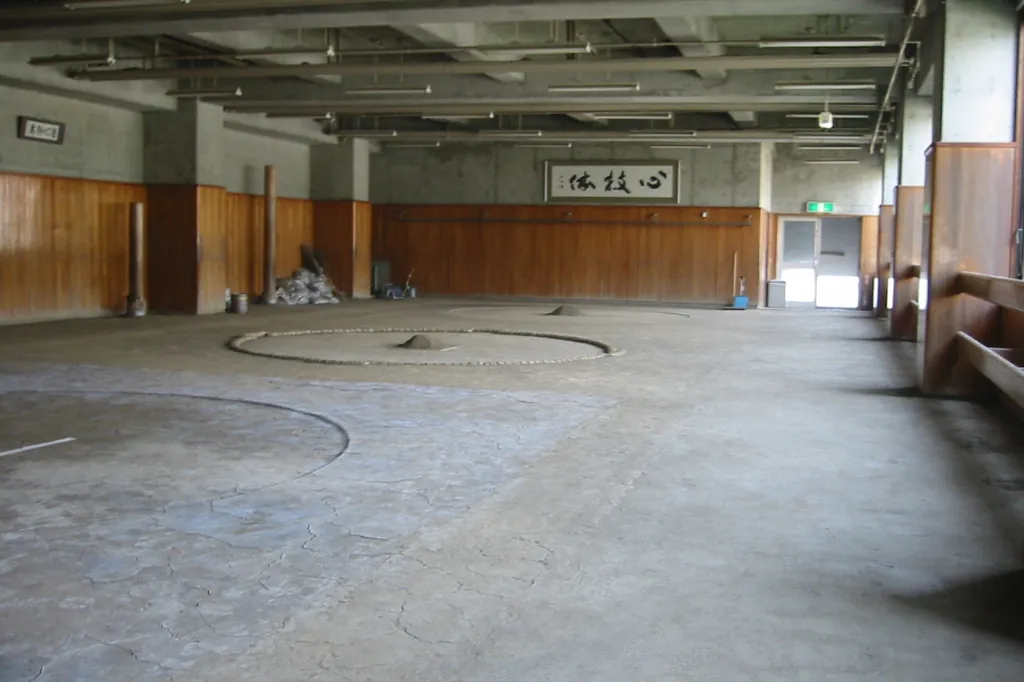
A heya, literally a room, is a stable where wrestlers live and train. Wikipedia describes a group that lives, eats, trains, sleeps and socialises together under the authority of one or more elders. Most wrestlers, and all junior-ranked ones, live in dormitory-style rooms, while only the sekitori, the top two divisions, get private rooms. The Japan National Tourism Organization says many stables are near the Ryōgoku Kokugikan, often in ordinary-looking buildings tucked away in side streets.
What morning practice looks like
Lower-ranked wrestlers wake at dawn, do chores and stretch before training on an empty stomach. Wikipedia says the exercises are designed to exhaust wrestlers and strengthen their fighting spirit, and that higher-ranked wrestlers join later, with the top two divisions arriving last. Shiko, the leg stomp, is part of the training. The meal that follows is chanko, the stable's traditional stew, which Wikipedia calls the first meal of the day.
How visitors get in
The tourism organisation says visitors typically watch wrestlers practise under the stable master, usually a retired wrestler, and senior wrestlers. It also says casual, spontaneous visits are not encouraged, and that some travel agencies can arrange tours for small groups. Wikipedia adds that visitors have become common and rules on group size and advance notice vary by stable. Plan on arrangements made ahead, not a walk-in, and expect to watch quietly: practice is training, and the wrestlers are working.
Life around the practice ring
Practice is one part of a regimented day. Wikipedia says lower-ranked wrestlers do the chores and the stablemaster is the highest authority. Stablemates cannot fight each other in tournament bouts, though they can meet in a playoff for a championship, and wrestlers are generally expected to stay with their stable until they retire. Seen this way, a morning session is less a performance than a glimpse of a community, which is why stables decide for themselves who may watch.
Practice, a show and a tournament compared
Practice shows training: repetition, discipline and hierarchy, with no commentary unless a guide supplies it. A show, such as Shinjuku's, is a demonstration of techniques and rituals with an MC, built for visitors. A grand tournament is the ranked competition. Each answers a different question, and none replaces the others.
Read next: Is a Tokyo sumo show real sumo?
Who this isn't for
Practice is not for visitors who want a guaranteed, explained, photograph-friendly hour. Access is limited, rules vary, and the sessions are working training, not entertainment. If you want English commentary and a set schedule, a show is the more predictable choice.
Frequently asked questions
Can I just turn up at a sumo stable?
Not casually. Spontaneous visits are not encouraged, according to the tourism organisation, and some travel agencies arrange small-group tours.
What is a heya?
A sumo stable, where wrestlers live, eat and train together under a stablemaster.
Is the Shinjuku show a practice session?
No. It is a show with an MC, demonstrations, sparring and a lottery-based challenge.
Where are most stables?
Many are near the Ryōgoku Kokugikan in Tokyo, often in ordinary-looking buildings on side streets.
Do the rules differ between stables?
Yes. Wikipedia says rules on group size and advance notice vary by stable.
Sources